
Our Mission in Action
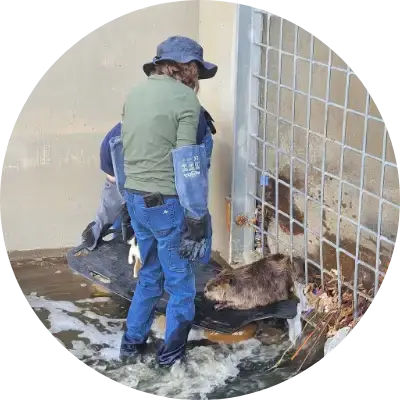
Rescue
Whenever wild animals have lost their homes or are found injured or abandoned, we’re ready to respond.
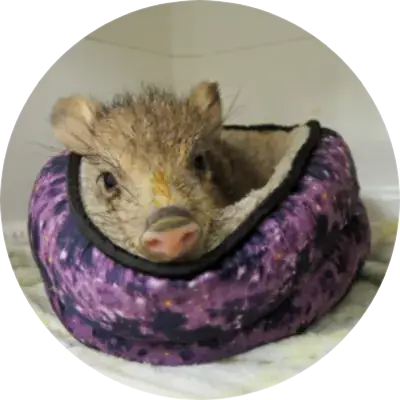
Rehabilitate
The rehabilitation process assures every animal has a quiet place to heal and begin its journey back to the wild.
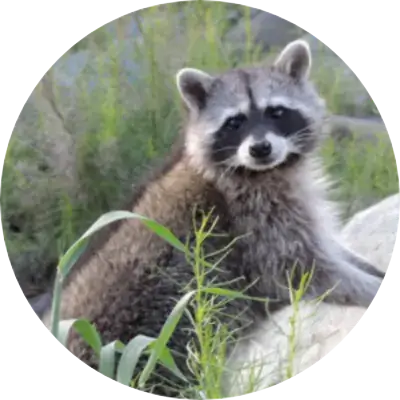
Release
We make sure each animal has an opportunity to return to the wild as safely and quickly as possible.
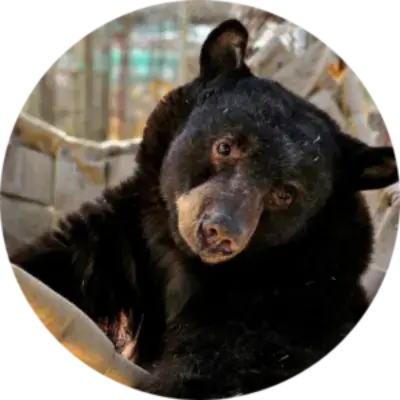
Sanctuary
If animals are unable to be released into the wild, we provide sanctuary to ensure they are cared for and safe.
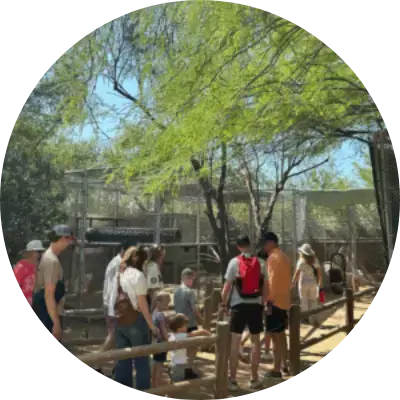
Education
We educate the public on how to peacefully coexist with and protect Arizona’s
native wildlife.
Featured Tours & Events
Please remember we are open to the public by appointment only.
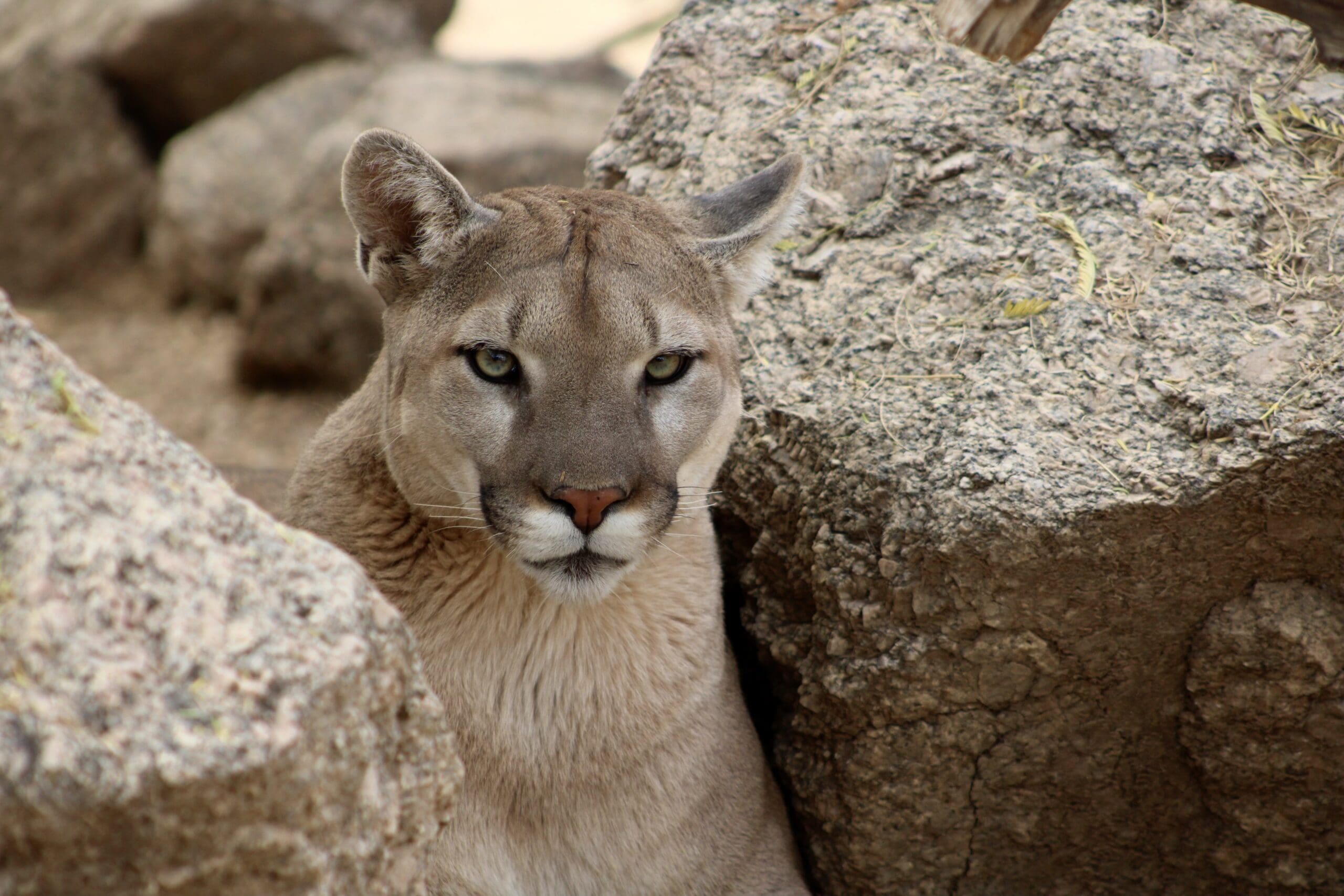
Stewards of the Wild Gala
October 30th, 2026 | 5:30-9:00 PM
Join us for our Stewards of the Wild Gala. Your support extends far beyond a single evening. Together, we can create a lasting impact for the animals that depend on us.

Happy Howl-O-Ween!
October 24th, 2026 | 4-6 PM
Enjoy a self-guided tour with trick-or-treating, a scavenger hunt, pumpkin patch, carnival games, and family photo ops. Costumes are encouraged (with closed-toed shoes), and every guest will leave with a bag of treats and goodies!

Sip & Paint with Wildlife
November 6th, 2026 | 4-7 PM
Join us for a magical evening at the Sanctuary! Sip wine, enjoy light bites, and paint your very own masterpiece inspired by Arizona’s wildlife.
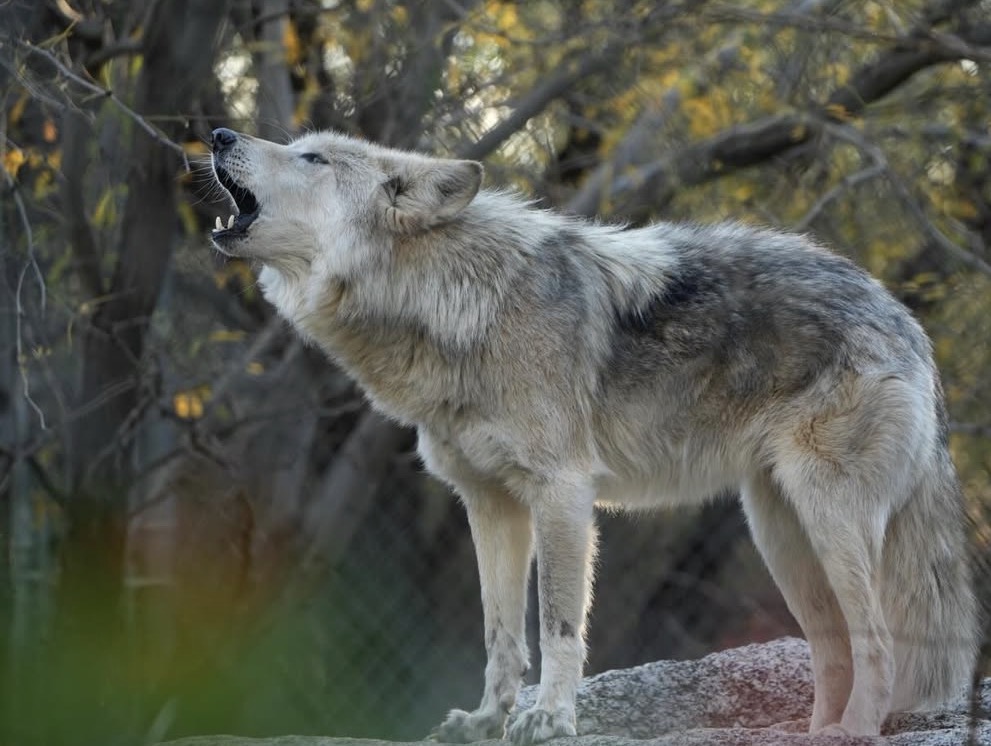
Wildlife Photography Workshop – Nature Through The Lens
November 8th, 2026 | 3:30-6:30PM
Discover the joy of wildlife photography in this three-hour Beginner Photography Workshop at Southwest Wildlife with photographer, Anna Dufek.

Proud to be ranked #1 thing to do in Scottsdale by Tripadvisor
Meet Emma!
Emma has fostered countless orphaned bobcat kittens as her own, giving them a second chance at life in the wild.
Help Support Our Mission.
As a nonprofit organization, we operate with a small staff and dedicated volunteers, your support is greatly appreciated.
Help save a wild life by making a donation today!
Volunteers are the backbone of SWCC. Lend us a hand!
Help support the animals with this wonderful gift idea!